
























Buying a home is one of the biggest financial decisions you’ll make, but before you start comparing mortgage options or scrolling listing sites, there’s another important question to answer:
Do you want a house or a condo?
The right answer depends on your budget, lifestyle, long-term goals, and how much responsibility you’re willing to take on as a homeowner.
The truth is, neither option is inherently better. Both offer unique advantages and trade-offs. Understanding those differences can help you make a confident decision that’s right for today and years down the road.
Let’s take a closer look.
What Is the Difference Between a House and a Condo?
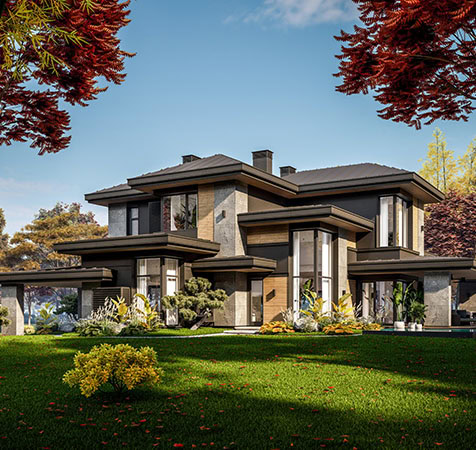
A single-family house is a standalone property where you typically own:
- The home itself
- The land it’s built on
- The yard and outdoor space
A condominium (condo) generally means you own your individual unit while sharing ownership of common areas with other residents through a homeowners association (HOA).
Common areas may include:
- Building exteriors
- Hallways
- Elevators
- Pools
- Fitness centers
- Landscaping
- Parking areas
According to the U.S. Department of Housing and Urban Development (HUD), condo ownership differs from traditional homeownership because ownership includes both an individual unit and a share of common elements within the community.
Benefits of Buying a House
For many buyers, owning a house is the classic version of the American Dream. And for good reason.
More Privacy
One of the biggest advantages of a house is space between you and your neighbors.
Without shared walls, ceilings, or floors, homeowners often enjoy:
- More peace and quiet
- Greater privacy
- Fewer restrictions on daily living
Consideration
More privacy typically comes with more responsibility. You’ll be responsible for maintaining both the home and the surrounding property.
More Outdoor Space
Most houses come with some type of yard, whether that’s a small lot or several acres.
Benefits include:
- Room for pets
- Outdoor entertaining
- Gardening
- Play areas
- Future landscaping projects
Consideration
That outdoor space requires ongoing maintenance, including mowing, snow removal, tree care, and landscaping.
According to the National Association of Realtors (NAR), maintenance responsibilities are one of the most common factors buyers evaluate when comparing property types.
Greater Freedom to Customize
Want to remodel your kitchen? Build a deck? Paint your front door bright blue?
With a house, you generally have more freedom to make changes to your property.
Consideration
Some neighborhoods still have HOA rules, so it’s important to review community restrictions before purchasing.
Potential for Long-Term Growth
Land is often a significant contributor to a property’s value over time.
Because house owners typically own both the structure and land, there can be additional opportunities for appreciation depending on the local market.
Consideration
Real estate values are influenced by numerous factors, including location, market conditions, employment trends, interest rates, and housing inventory. Appreciation is never guaranteed.
The Federal Housing Finance Agency (FHFA) tracks long-term home price trends across U.S. markets.
Benefits of Buying a Condo
Condo ownership has become increasingly popular among first-time buyers, downsizers, and those seeking a lower-maintenance lifestyle.
Less Maintenance
For many buyers, this is the biggest advantage.
In most condo communities, the association handles many exterior maintenance tasks, including:
- Lawn care
- Landscaping
- Snow removal
- Roof maintenance
- Exterior repairs
That means less time spent maintaining the property yourself.
Consideration
Those services are funded through HOA dues, which become part of your monthly housing costs.
Often More Affordable Upfront
In many markets, condos can have lower purchase prices than comparable single-family homes.
This can help buyers:
- Enter the housing market sooner
- Stay within budget
- Purchase in neighborhoods that might otherwise be out of reach
According to data tracked by NAR, condos frequently offer lower median sales prices than detached homes in many regions.
Consideration
A lower purchase price doesn’t automatically mean a lower monthly payment. HOA fees should always be factored into affordability calculations.
Access to Amenities
Many condo communities offer shared amenities that would be expensive to maintain individually.
Examples include:
- Fitness centers
- Swimming pools
- Clubhouses
- Walking trails
- Security features
Consideration
Not every homeowner will use every amenity. It’s important to determine whether the value aligns with your lifestyle and budget.
Convenient Locations
Condos are often located in:
- Downtown areas
- Walkable communities
- Urban centers
- Popular vacation destinations
This can provide easier access to:
- Restaurants
- Shopping
- Entertainment
- Public transportation
Consideration
Greater convenience can sometimes mean less personal space and more community density.
Understanding HOA Fees
Whether you’re considering a condo or a house within an HOA-managed community, understanding association fees is essential.
HOA fees may cover:
- Exterior maintenance
- Common area upkeep
- Insurance for shared structures
- Amenities
- Reserve funds for future repairs
Before purchasing, ask:
- How much are the dues?
- Have fees increased recently?
- Is there an adequate reserve fund?
- Are there any planned special assessments?
The Consumer Financial Protection Bureau (CFPB) recommends carefully reviewing association documents before buying a property governed by an HOA.
Questions to Ask Yourself Before Deciding
Sometimes the best choice comes down to your lifestyle preferences.
A House Might Be a Better Fit If You:
✅ Want more privacy
✅ Need a yard
✅ Enjoy home improvement projects
✅ Prefer greater control over your property
✅ Plan to stay long term
A Condo Might Be a Better Fit If You:
✅ Prefer lower-maintenance living
✅ Travel frequently
✅ Want access to amenities
✅ Prefer a more urban lifestyle
✅ Want less responsibility for exterior upkeep
Financing Considerations
Whether you’re buying a house or a condo, your financing options can vary based on the property type.
For condos, lenders may review:
- The condo association’s financial health
- Owner occupancy rates
- Insurance coverage
- Project eligibility requirements
For single-family homes, financing is often more straightforward because approval focuses primarily on borrower and property qualifications.
Working with an experienced mortgage professional early in the process can help identify potential considerations before you find the perfect property.
The Bottom Line
The best home isn’t necessarily the biggest one or the one with the most amenities. It’s the one that aligns with your finances, priorities, and long-term goals.
A house may offer more space and flexibility. A condo may offer more convenience and less maintenance.
Neither option is right for everyone, and that’s exactly the point.
By understanding both the benefits and the considerations of each, you can make a decision that supports your lifestyle today while helping you build a strong financial future tomorrow.
At Mortgage Center, we’re here to help you navigate every step of the homebuying journey, whether you’re searching for a backyard, a balcony, or something in between.